Imagine a world where complex problems that would take years to solve are unraveled in minutes. This is the promise of quantum computing, a revolutionary technology poised to transform industries and redefine the limits of what’s possible. Are you ready to explore how this cutting-edge innovation can impact your life and your future?
Index
- Understanding quantum computing
- Quantum computing: how it works in practice
- Real-world applications of quantum computing
- Best practices for leveraging quantum computing
- Comparing quantum computing with classical approaches
- The future of quantum computing
- How to get started with quantum computing
- Frequently asked questions (FAQ)
- Conclusion
As we stand on the verge of a technological revolution, the limitations of classical computing are becoming increasingly apparent. From data encryption to complex simulations, traditional methods often fall short and struggle to keep pace with modern demands. Quantum computing offers a solution by harnessing the principles of quantum mechanics to unlock unprecedented processing power and efficiency. This is not just a scientific curiosity; it’s a potential game-changer that could influence everything from healthcare to finance.
To further explore the transformative potential of advanced technologies, you may find it interesting to dive into the capabilities of AI-powered tools. Unlocking ChatGPT: Discover its secrets and transform your tasks offers insights on how artificial intelligence can boost productivity and creativity, making it a valuable read for anyone interested in the technological future.
In this article, you will gain a deeper understanding of quantum computing, how it works in practice, and its real-world applications. By grasping these concepts, you’ll be better equipped to navigate the rapidly evolving tech landscape and appreciate the immense possibilities ahead.
Join us as we delve into the fascinating world of quantum computing, exploring its inner workings and the transformative impact it promises for our society. Let’s embark on this journey together and discover the future of technology today!
Understanding quantum computing
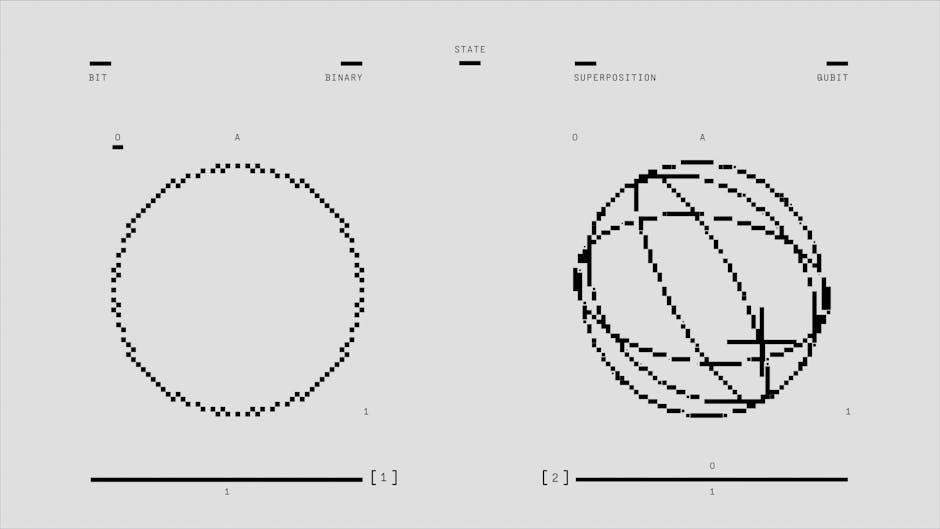
A deep dive into quantum computing reveals the underlying principles that set it apart from classical computing. This section explores the fundamental concepts of quantum mechanics, defines what quantum computing is, and highlights the key differences between classical and quantum systems. Understanding these elements is crucial to grasping the future potential of technology in this field.
The fundamentals of quantum mechanics
To appreciate quantum computing, you must first understand the fundamentals of quantum mechanics. This branch of physics examines the behavior of matter and energy at the smallest scales, where classical physics fails to explain certain phenomena. Key principles include superposition, which allows particles to exist in multiple states simultaneously, and entanglement, where particles become interconnected so that the state of one instantly influences the state of another, regardless of distance. These principles form the basis of quantum mechanics and are essential to how quantum computers operate.
What is quantum computing?
In simple terms, quantum computing refers to the use of quantum mechanics to process information. Unlike classical computers, which use bits as the smallest unit of data (representing 0s and 1s), quantum computers use qubits. A qubit can represent both 0 and 1 at the same time, thanks to the principle of superposition. This capability enables quantum computers to perform complex calculations at unprecedented speeds. Additionally, they can solve problems that are currently intractable for classical systems, such as factoring large numbers or simulating molecular interactions.
Differences between classical and quantum computing
The differences between classical and quantum computing are profound and transformative. Classical computers rely on a linear processing method, where tasks are executed sequentially. In contrast, quantum computing leverages parallelism, allowing multiple calculations to occur simultaneously thanks to superposition. Moreover, while classical systems require significant time and resources for certain computations, quantum computers can potentially complete these tasks in a fraction of the time. This shift not only increases computational power but also opens new pathways for advances across various fields, including cryptography, drug discovery, and artificial intelligence.
As we continue to explore the implications and applications of quantum computing, it becomes evident that this technology holds the key to unlocking significant advances in our digital future.
Quantum computing: how it works in practice
The practical application of quantum computing is built on its unique foundational principles. This section delves into the critical components that drive quantum systems, including qubits and quantum gates. We will also explore the fascinating concepts of entanglement and superposition, as well as the revolutionary algorithms that power computational capabilities.
Key components: qubits and quantum gates
At the heart of quantum systems are qubits, which serve as the basic units of information. Unlike classical bits, which can be 0 or 1, qubits can exist in multiple states simultaneously thanks to quantum superposition. This property allows quantum computers to process enormous amounts of data at unprecedented speeds.
Quantum gates are the operations that manipulate qubits, similar to how classical logic gates operate in traditional computing. These gates enable complex calculations by altering the state of qubits through precise control. The combination of multiple gates leads to the development of quantum circuits, which execute sophisticated operations essential for quantum computing tasks.
Entanglement and superposition explained
Entanglement and superposition are two fundamental phenomena that distinguish quantum computing from its classical counterpart. Superposition allows qubits to be in multiple states at once, giving quantum computers their remarkable parallel processing capabilities. This feature is what enables them to solve certain problems more efficiently than classical systems.
Entanglement occurs when qubits become interconnected so that the state of one qubit instantly influences another, regardless of the distance between them. This phenomenon is crucial for quantum communication and cryptography, as it enables secure information transfer and enhances computational power. Together, these properties allow quantum systems to tackle complex problems previously considered impossible.
Quantum algorithms: Shor's and Grover's Algorithms
The development of quantum algorithms is a fundamental aspect of quantum computing. Shor's algorithm exemplifies this by providing a method to factor large integers exponentially faster than the best known classical algorithms. This has significant implications for cryptography, as many encryption systems rely on the difficulty of factoring large numbers.
On the other hand, Grover's algorithm offers notable speedup for unstructured search problems. It allows quantum computers to search unordered databases in roughly √N time, compared to the N time required by classical algorithms. These advances highlight the transformative potential of quantum computing, paving the way for innovations in fields ranging from cybersecurity to drug discovery.
In summary, understanding the mechanisms of quantum computing, including its key components and algorithms, is essential to appreciate its future impact on technology. The following sections will continue to explore the implications and potential applications of this revolutionary field.
Real-world applications of quantum computing

The real-world applications of this innovative technology are vast and transformative. From improving security protocols to revolutionizing scientific research, quantum advances are reshaping diverse fields. This section explores how quantum computing is applied in cryptography, drug discovery, materials science, and finance, highlighting its potential to solve complex problems that classical computers struggle with.
Quantum computing in cryptography
One of the most promising applications of this technology lies in cryptography. Traditional encryption methods are based on mathematical problems that are difficult for classical computers to solve. However, with the power of quantum algorithms, particularly Shor’s algorithm, factoring large numbers efficiently becomes feasible. This capability represents a significant threat to current encryption standards, driving the development of quantum-resistant encryption techniques. Organizations are already investing in post-quantum cryptography to protect sensitive information against future quantum attacks.
Applications in drug discovery and materials science
In the realms of drug discovery and materials science, quantum computing offers a new paradigm for simulating molecular interactions. Traditional methods often do not reach the precision or speed required, prolonging research cycles. With quantum simulations, researchers can model complex molecules and predict their behavior with unprecedented accuracy. For example, pharmaceutical companies are leveraging quantum algorithms to identify drug candidates faster and more effectively. Additionally, advances in materials science are being driven by the ability to explore new materials at the quantum level, leading to innovations in energy storage and nanotechnology.
Impact on financial modeling and risk analysis
The financial sector can reap enormous benefits from quantum computing capabilities. Complex financial models that analyze risk and optimize portfolios can run in a fraction of the time compared to classical systems. By utilizing quantum algorithms, analysts can better predict market trends and assess investment risk. This technology enables processing large volumes of data, allowing for more accurate simulations and risk assessments. As financial institutions begin to implement quantum solutions, they will be positioned to improve decision-making processes and overall efficiency.
In conclusion, the applications of quantum computing are only beginning to emerge, and each advance promises to unlock new capabilities across multiple industries. As we continue to explore this technology, the future holds exciting possibilities that could redefine how we approach complex problems.
Best practices for leveraging quantum computing
Effective use of quantum computing requires a strategic approach. This section explores essential practices that can enhance development and collaboration in this emerging field. By focusing on the right programming languages, employing simulators, and partnering with research institutions, professionals can maximize their impact and drive innovation.
Choosing the right quantum programming language
Selecting an appropriate programming language is a crucial step to leverage quantum computing. Numerous languages have emerged, each designed for specific tasks and environments. For example, Qiskit is widely used for its accessibility and extensive IBM support, while Cirq is oriented toward Google’s quantum hardware. Understanding the strengths of each language allows developers to choose the one that aligns with their project goals.
Additionally, familiarity with multiple languages can be advantageous. This versatility enables programmers to adapt to diverse platforms and optimize their algorithms effectively. As the field evolves, continuous learning about new languages like Quipper or Q# can further increase capabilities in quantum programming.
Leveraging quantum simulators for development
Using quantum simulators is an effective way to develop and test quantum algorithms without requiring physical quantum hardware. These simulators replicate quantum behavior, offering a cost-effective environment for experimentation. For example, platforms like IBM Quantum Experience provide cloud access to simulators, allowing users to run experiments and analyze results easily.
Simulators also facilitate the debugging process, making it easier to identify issues in quantum circuits before deploying them on real quantum devices. They enable developers to explore complex quantum phenomena that might be difficult to observe in real-world scenarios. This combination of accessibility and experimentation fosters innovation in quantum computing.
Collaborating with quantum research institutions
Forming partnerships with quantum research institutions can significantly broaden a project’s reach and effectiveness. Collaboration opens doors to shared resources, knowledge, and cutting-edge research. Engaging with organizations like the Research Laboratory of Electronics at MIT or Caltech can provide access to expertise and technological advances that may not be available internally.
Moreover, these collaborations often lead to joint projects that can accelerate progress in quantum computing. Networking within academic and research communities can also foster mentorship opportunities, allowing newcomers to gain insights from experienced professionals. By building strong connections, organizations can stay at the forefront of quantum innovation.
In conclusion, getting the most out of quantum computing involves making strategic decisions about programming languages, effectively using simulators, and fostering collaborations with research institutions. These best practices not only enhance development but also pave the way for revolutionary technological advances.
Comparing quantum computing with classical approaches

The computing landscape is evolving, with quantum computing emerging as a revolutionary force. This section delves into the strengths and limitations of this technology compared to classical methods. We will also explore scenarios where quantum solutions may be preferable and consider future trends that are shaping the computing domain.
Strengths and limitations of quantum computing
One of the main strengths of quantum computing lies in its ability to process large amounts of data simultaneously. This is possible thanks to quantum bits, or qubits, which can exist in multiple states at once, unlike classical bits that are 0 or 1. This parallelism enables exceptionally fast computations for specific applications, such as cryptography and complex simulations.
However, there are also notable limitations. The technology is still in its early stages, with issues like error rates and qubit coherence times posing significant challenges. Furthermore, quantum algorithms are not universally superior; they excel at particular tasks while classical methods remain highly effective for many everyday applications. Understanding these nuances is crucial to effectively harness the potential of quantum computing.
When to use quantum computing instead of classical methods
Choosing the appropriate computing approach depends on the problem at hand. Quantum computing stands out in scenarios involving combinatorial optimization, quantum simulations, and cryptographic challenges. For example, industries like finance and pharmaceuticals can benefit from its ability to analyze complex datasets quickly.
In contrast, for standard enterprise applications, classical computing is usually the more practical option. Tasks such as word processing, simple data analysis, and routine calculations are better handled by traditional systems. Therefore, evaluating a project’s specific requirements can guide professionals to make informed decisions about when to leverage quantum computing.
Future trends: quantum computing vs. classical
As technology advances, the competition between these two computing paradigms will intensify. Innovations in quantum algorithms are expected to unlock new applications, potentially reshaping fields such as machine learning and artificial intelligence. Additionally, as more industries recognize the advantages of quantum solutions, investment and research are likely to accelerate, leading to advances that improve practicality and accessibility.
On the other hand, classical computing continues to evolve, with hardware and software developments that enhance efficiency and performance. The future may see a synergistic relationship between both approaches, where hybrid systems leverage the strengths of each. This evolution promises a dynamic landscape in which the optimal solution may not be choosing one over the other, but integrating both technologies effectively.
Looking ahead, understanding these trends will be vital for organizations seeking to stay at the forefront of technological advances.
The future of quantum computing
Technological advances continue to transform our world, and quantum computing is at the forefront of this transformation. This section explores predictions about future developments in quantum technology, its significant role in artificial intelligence, and the ethical considerations that arise with its evolution. Understanding these aspects is crucial to grasp the broader implications of quantum computing for society and various industries.
Predictions for advances in quantum technology
Experts predict that the next decade will witness revolutionary innovations in quantum technology. As researchers make progress in quantum algorithms and hardware, we can expect greater computational power and efficiency. Industries such as pharmaceuticals and finance will likely leverage these advances to solve complex problems currently out of reach. Additionally, with the development of quantum networks, secure communication will become more feasible, revolutionizing data privacy and security.
The role of quantum computing in AI
The intersection between quantum computing and artificial intelligence promises to unlock new capabilities. By harnessing the immense processing power of quantum systems, AI models can analyze vast datasets more efficiently than traditional methods. This synergy could lead to advances in machine learning and predictive analytics. For example, quantum-enhanced algorithms can significantly improve the accuracy of AI predictions in fields ranging from healthcare to autonomous vehicles, paving the way for smarter solutions.
Ethical considerations in the development of quantum computing
As with any transformative technology, ethical implications must be considered. The rapid evolution of quantum computing raises questions about data security, privacy, and the potential for misuse. Ensuring that quantum technology is developed responsibly is paramount. Establishing clear guidelines and regulations will be essential to mitigate risks associated with quantum cryptography and other applications. Engaging in open discussions about these ethical concerns will help shape a future in which quantum computing benefits society as a whole.
Ongoing developments in quantum computing offer exciting possibilities, but they also require careful consideration of their broader impact. In the next section, we will explore how these advances compare with existing classical computing methods.
Getting started with quantum computing
Embarking on the path to understand quantum computing can be both exciting and intimidating. There are numerous resources available to help you grasp the fundamental concepts and advanced topics of this revolutionary field. This section will cover essential materials, online communities, and educational opportunities that can enhance your knowledge and skills in quantum computing.
Resources for learning quantum computing
A variety of resources can assist you in effectively learning quantum computing. Books like “Quantum Computation and Quantum Information” by Michael Nielsen and Isaac Chuang provide a solid theoretical foundation. In addition, online platforms such as Coursera and edX offer a range of courses suited to different skill levels. For hands-on experience, tools like Qiskit and Cirq allow you to experiment with quantum algorithms and simulations. Exploring these resources will help you build a strong foundation in the principles of quantum computing.
Communities and online forums
Participating in online communities is an excellent way to enhance your learning experience in quantum computing. Platforms like Stack Exchange and Reddit host dedicated forums where enthusiasts and experts share ideas, answer questions, and discuss recent advances. Engaging in these conversations can deepen your understanding and expose you to diverse perspectives. Additionally, joining groups on platforms like LinkedIn can connect you with professionals in the field, opening doors for collaboration and networking.
Courses and certifications in quantum computing
To formalize your knowledge, consider enrolling in courses and obtaining certifications related to quantum computing. Several universities and institutions offer specialized programs, such as the Professional Certificate in Quantum Computing from Harvard University. Online platforms also provide structured learning paths, including IBM’s Quantum Computing courses, which equip you with practical skills. Earning certifications not only enhances your credibility but also demonstrates your commitment to mastering this cutting-edge technology.
As you delve deeper into the world of quantum computing, these resources and communities will serve as invaluable tools in your educational journey. Stay tuned for the next section, where we will explore the practical applications and real-world implications of this transformative technology.
Frequently Asked Questions (FAQ)
What is quantum computing and how does it work?
Quantum computing leverages the principles of quantum mechanics to process information. Unlike classical computers that use bits as 0s and 1s, quantum computers use qubits, which can exist in multiple states simultaneously. This allows them to solve complex problems much faster than traditional computers, making quantum computing a revolutionary technology for various fields.
What are the main applications of quantum computing?
Quantum computing has a wide range of potential applications, including cryptography, drug discovery, optimization problems, and artificial intelligence. Its ability to handle large amounts of data and complex calculations can greatly enhance efficiency and innovation in sectors such as finance, healthcare, and logistics.
When will quantum computing become mainstream?
While quantum computing is still in its early stages, experts believe it could become mainstream within the next decade. Advances in technology and increased investment from governments and the private sector are accelerating its development. However, widespread adoption will depend on overcoming challenges such as error rates and scalability.
Conclusion
Exploring the fascinating world of advanced technology, the potential of quantum computing emerges as a transformative force. The key points of this discussion highlight its unique principles, practical applications across various industries, and the ways it surpasses classical computing methods. By understanding how quantum computing works and its real-world implications, individuals and organizations can harness its power to drive innovation and solve complex problems.
Looking to the future, adopting this cutting-edge technology is essential to remain competitive. Start by investing time in learning more about quantum computing through online courses or workshops. Participate in community forums to share ideas and experiences. Taking these steps will not only deepen your understanding but also position you at the forefront of this technological revolution.
Ultimately, the journey toward quantum computing has only just begun, and its potential to reshape our world is immense. As you reflect on how these advances could impact your life or business, consider sharing your ideas with others or initiating discussions within your networks. How will you contribute to this exciting future?