In an era where technology is redefining our daily tasks, the emergence of tools like ChatGPT has sparked curiosity and excitement. Did you know that nearly 70% of professionals feel overwhelmed by their workload? That’s where ChatGPT comes in, offering a revolutionary way to streamline processes and boost productivity.
Index
Understanding how to effectively leverage chatbots can be the key to overcoming common challenges in communication and creativity. Many individuals and businesses still do not know the full potential of ChatGPT, leaving them at a disadvantage in a rapidly evolving digital landscape. This tool not only simplifies tasks, but also opens doors to innovative solutions that can transform the way you work and interact.
If you found the insights on how to use ChatGPT helpful, you may also be interested in maximizing your financial strategies. Discover hidden benefits of the Bank of America credit card today! can provide you with valuable tips to improve your credit card experience and save more effectively.
In this article, you will uncover the essential secrets of ChatGPT, enabling you to harness its capabilities to your advantage. From practical applications to real-world examples, you will learn how to integrate ChatGPT into your daily routine, ultimately increasing your efficiency and effectiveness.
Join us as we dive into the particulars of ChatGPT, exploring its functionality, practical uses, and the many ways it can revolutionize your tasks. Your journey to unlocking its full potential begins here!
Understanding ChatGPT: What You Need to Know
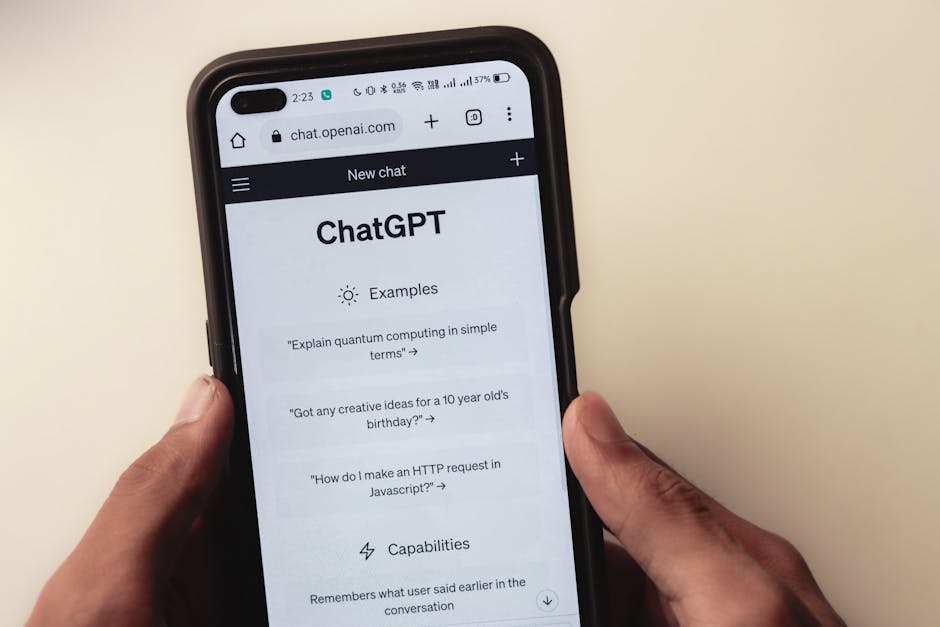
The technological landscape is constantly evolving, particularly in the realm of artificial intelligence and natural language processing. This section dives into the journey of chatbots, the fundamental concepts of AI language models, and the unique attributes that set ChatGPT apart from its predecessors. Understanding these elements is crucial to effectively leveraging the capabilities of this innovative tool.
The evolution of chatbots
The journey of chatbots began in the 1960s with simple rule-based systems. Over the decades, technological advances have led to the development of more sophisticated models. Early chatbots relied on fixed responses and basic algorithms, which limited their conversational abilities. However, with the introduction of machine learning and neural networks, chatbots transformed significantly. Today they can understand context, engage in meaningful dialogue, and adapt based on user interactions. This evolution paved the way for advanced systems like ChatGPT, which use deep learning techniques to deliver more nuanced and human-like conversations.
Introduction to AI language models
AI language models are designed to understand and generate human-like text based on the input they receive. These models are trained on massive datasets, enabling them to learn grammar, facts, and even some reasoning skills. The architecture of these models typically involves layers of neural networks that process language in a way that mimics human cognition. ChatGPT is a prominent example of such models, employing advanced techniques to generate coherent and contextually relevant responses. This capability makes it a powerful tool for applications ranging from customer support to content creation.
What makes ChatGPT unique
What sets ChatGPT apart from other AI language models is its extensive training and fine-tuning process. Unlike earlier models, which often struggled to maintain context in long conversations, ChatGPT excels at understanding and recalling previous interactions within a session. This ability to maintain context enhances the user experience, making conversations feel more natural and engaging. Additionally, its aptitude for producing creative and contextually appropriate responses distinguishes it, allowing users to explore a wide range of applications. The versatility and adaptability of ChatGPT make it a revolutionary tool in the world of AI-driven communication.
As we continue to explore the capabilities of this innovative technology, we will uncover practical applications and strategies for effectively using its features.
ChatGPT: How it works in practice
Understanding how advanced technologies operate is crucial to harnessing their full potential. This section will explore the mechanics behind ChatGPT, focusing on the underlying technology, the training data and learning process, and how users interact with this powerful tool. By delving into these aspects, we can appreciate the sophistication of ChatGPT and its applications across various fields.
The underlying technology
At its core, ChatGPT is built on a sophisticated model known as the Transformer, which processes text data highly efficiently. This architecture enables the model to understand context and generate coherent responses. The neural network architecture consists of multiple layers, allowing it to learn complex language patterns. It is important to note that this technology facilitates the creation of human-like text by predicting the next word in a sentence based on the preceding context.
Training data and learning process
ChatGPT’s effectiveness is largely due to the massive amounts of data it is trained on. These data include diverse text sources such as books, articles, and websites, which give the model a broad understanding of language and various topics. During the training process, the model learns to recognize patterns and relationships between words, improving its ability to generate relevant and contextually appropriate responses. The iterative learning approach allows ChatGPT to continuously refine its outputs, leading to improved performance over time.
User interaction mechanics
User interaction with ChatGPT is designed to be intuitive and engaging. When a user asks a question or provides a prompt, the model analyzes the input and generates a response based on its training. This back-and-forth exchange mimics a natural conversation, making it accessible to users of different skill levels. Additionally, the system supports context retention during a session, meaning the model can maintain the flow of the conversation and offer more personalized and relevant responses. The seamless interaction mechanics ensure users can effectively leverage ChatGPT’s capabilities for a variety of tasks.
Moving to the next section, it becomes clear that understanding these mechanics enhances our ability to use ChatGPT in practical applications.
Real-world applications of ChatGPT
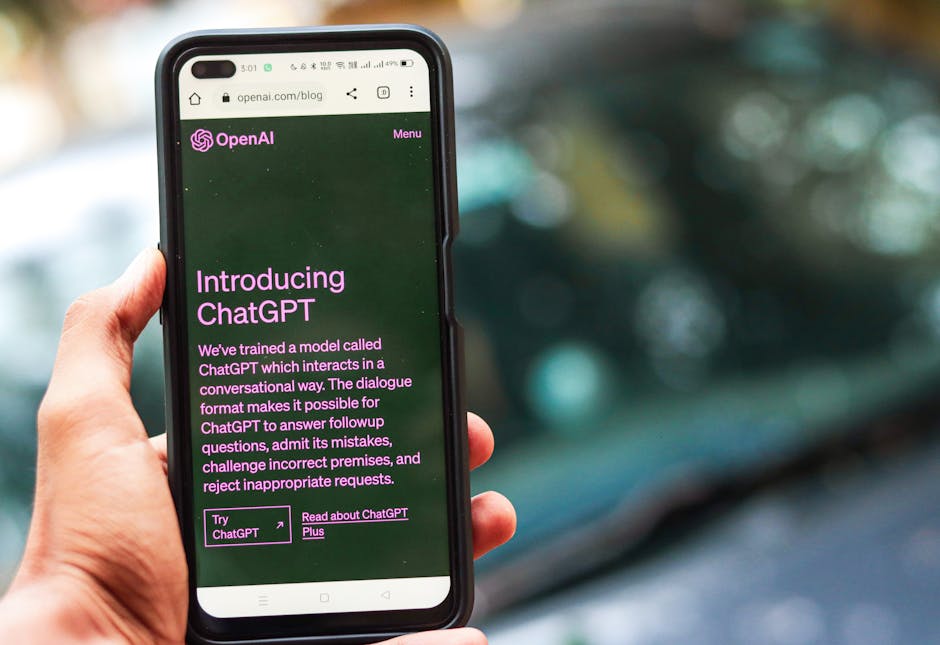
The versatility of modern AI technologies, particularly in natural language processing, has led to numerous real-world applications. This section will delve into specific areas where ChatGPT is making a significant impact. From improving customer interactions to revolutionizing content creation and educational tools, the potential of this technology is broad and varied.
ChatGPT in customer service
Improving customer service experiences is one of the most prominent applications of ChatGPT. By integrating this technology into support systems, companies can provide instant answers to customer inquiries, significantly reducing wait times. For example, a retail company could use ChatGPT to handle common questions about products, order status, and return policies.
Additionally, this tool can personalize interactions, making customers feel valued. By analyzing previous interactions, ChatGPT can tailor responses to meet specific customer needs. This not only improves satisfaction but also drives customer loyalty. Overall, implementing such technology can lead to cost savings and greater efficiency in customer service operations.
Improving content creation
Content creation has also experienced a transformative effect thanks to ChatGPT’s capabilities. Writers and marketers can leverage this technology to generate ideas, draft articles, and even edit content. By inputting a few keywords or topics, users can receive coherent and engaging text that serves as a solid foundation for further development.
Moreover, ChatGPT can help create a variety of content types, from blog posts to social media updates, ensuring the output remains relevant and aligned with current trends. This capability allows content creators to focus on strategy and refinement, ultimately improving the quality of their work.
Educational uses of ChatGPT
In the education sector, ChatGPT is emerging as a valuable tool for both students and educators. It can act as a virtual tutor, providing explanations and assistance across a wide range of subjects. For example, students struggling with math problems can receive step-by-step guidance, facilitating better understanding and retention of learning.
Additionally, teachers can use ChatGPT to develop personalized learning materials or generate quizzes and study guides tailored to specific curricular needs. This adaptability not only enriches the learning experience but also allows teachers to spend their time more efficiently. Overall, the educational applications of this technology are promising and can significantly enhance the learning process.
In summary, the real-world applications of ChatGPT extend across various sectors, demonstrating its versatility and potential to improve processes and experiences. As we move forward, the integration of this technology will likely continue evolving, opening new avenues for innovation.
Maximizing your experience with ChatGPT
Getting the most out of your interactions with AI requires understanding how to communicate your needs effectively. This section will explore essential strategies for crafting prompts, recognizing the limitations of the technology, and customizing responses to better fit your goals. By mastering these elements, you can enhance your overall experience and unlock the full potential of this AI tool.
Crafting effective prompts
Creating effective prompts is crucial to ensure you receive meaningful and relevant responses. Start by being specific about your request; vague prompts can lead to ambiguous answers. For example, instead of asking “Tell me about history,” specify the topic, such as “What were the causes of World War I?” This clarity helps the AI better understand your intent.
Also, consider the context of your question. Providing background information or framing your request in a particular way can yield more personalized results. Experiment with different phrasings and structures to see which produces the best outcome. Using open-ended questions can also encourage more detailed responses, improving your interaction with ChatGPT.
Understanding the limitations
Although ChatGPT is a powerful tool, it is important to recognize its limitations. The AI is trained on large amounts of data but does not possess real-time knowledge or personal experiences. It cannot offer opinions or emotions, as it lacks consciousness. This means that while it can generate informative content, it may sometimes produce incorrect or outdated information.
Additionally, the AI may struggle with highly specialized topics or nuanced requests. In such cases, supplementing its answers with your own research can lead to more accurate results. Understanding these limits will allow you to use ChatGPT more effectively, ensuring you do not rely on it for critical decisions without verification.
Personalizing responses
Personalizing ChatGPT’s responses can greatly enhance your experience. You can achieve this by specifying the tone or style you prefer. For example, if you want a formal report or a casual conversation, indicate your preference in the prompt. This personalization allows the AI to align its output with your expectations.
Also, if a response does not meet your needs, feel free to ask follow-up questions or request revisions. This iterative process can refine the information and provide deeper insights. By actively interacting with the AI and adjusting its responses, you can improve the quality and applicability of the information you receive.
In conclusion, as you continue to explore ChatGPT’s capabilities, understanding how to craft effective prompts, recognizing its limitations, and personalizing responses will be key strategies for maximizing your experience. Moving on to practical applications, let’s delve into how these tactics can be applied in real-world scenarios.
Comparing ChatGPT with other AI tools

Understanding the differences between various AI tools is essential for making informed decisions. This section will compare ChatGPT with other chatbots, highlight its strengths and weaknesses, and offer guidance for choosing the right tool based on your specific needs. By examining these aspects, users can better navigate the landscape of AI technologies.
ChatGPT vs. other chatbots
When comparing ChatGPT with other chatbots, several factors come into play. Many chatbots are designed for specific tasks, such as customer support or providing information. In contrast, ChatGPT excels at generating conversational responses across a wide range of topics. This versatility allows it to interact with users more naturally and fluidly, making it an attractive option for those seeking an interactive experience.
Additionally, while some chatbots rely on predefined scripts, ChatGPT’s adaptability allows it to learn from interactions, improving its responses over time. This feature sets it apart from more rigid alternatives, creating unique value for users seeking dynamic conversational agents.
Strengths and weaknesses
Every AI tool has its strengths and weaknesses. ChatGPT’s main strength lies in its ability to produce coherent and contextually relevant responses. This capability stems from its sophisticated language model, which has been trained on diverse datasets. Users often find it useful for generating ideas, drafting content, or even for casual conversations.
However, it is essential to acknowledge some limitations. ChatGPT can sometimes provide inaccurate information or struggle with very specific topics. Additionally, its performance may vary depending on the complexity of the query. Users should keep in mind that, while powerful, it is not infallible.
Choosing the right tool for your needs
Selecting the appropriate AI tool depends on your specific requirements. If you need a chatbot for simple customer inquiries, a specialized tool may be more efficient. However, if your goal is to engage in rich conversations or generate creative content, ChatGPT stands out as a compelling option.
Consider the context in which you will use the tool. For example, if you require consistent support for a defined set of tasks, other chatbots might suffice. On the other hand, for tasks that demand adaptability and creativity, ChatGPT’s capabilities can be invaluable. Evaluating your needs will ultimately guide you to the right solution.
As we move to the next section, understanding these comparisons can improve your ability to use AI tools effectively in your daily tasks.
Future outlook for ChatGPT and AI language models
The future of AI language models, including prominent tools like ChatGPT, promises exciting developments. As the technology advances, we can expect significant improvements in performance, comprehension, and usability. This section will explore potential advances, ethical considerations, and the broader role of AI in society.
Advances on the horizon
Ongoing research and development in AI technology bode well for substantial improvements in capabilities. Future iterations of chatbots will likely include more sophisticated natural language processing, enabling greater contextual understanding and more human-like conversations. Additionally, integration with other technologies, such as augmented reality and advanced data analytics, could offer richer user experiences. This evolution not only makes interactions more engaging but also expands the application of models like ChatGPT across various fields, from education to customer service.
Ethical considerations
As AI language models become increasingly integrated into daily life, it is necessary to address ethical concerns. Issues related to data privacy, misinformation, and algorithmic bias are at the forefront of discussions. Developers and users must prioritize transparency and accountability in AI systems. Establishing guidelines and best practices will be crucial to ensure tools like ChatGPT are used responsibly and do not perpetuate harm. Engaging in the ethical development of AI fosters trust and improves societal acceptance of these technologies.
The role of AI in society
AI language models play an increasingly significant role in shaping modern society. They enhance productivity, support decision-making processes, and facilitate communication across various platforms. As tools like ChatGPT become more prevalent, they can empower individuals and organizations to achieve their goals more efficiently. However, it is essential to find a balance between automation and the human touch. Ensuring that AI complements rather than replaces human effort will be vital to creating a harmonious future where technology serves to enrich the human experience.
Considering these factors, the conversation about the future of AI continues to evolve, smoothly leading us to the next section on the implications of AI across various sectors.
Frequently Asked Questions (FAQ)
What is ChatGPT and how does it work?
ChatGPT is an advanced AI language model developed by OpenAI. It works by processing and generating human-like text based on the input it receives. Using deep learning techniques, ChatGPT can engage in conversations, answer questions, and assist with various tasks, making it a versatile tool for users.
Can ChatGPT be used in business applications?
Yes, ChatGPT can be effectively used in a variety of business applications. It can help with customer support, generate content, and provide ideas based on data analysis. By integrating ChatGPT into workflows, companies can improve productivity and communication with customers.
Are there limitations to using ChatGPT?
Although ChatGPT is powerful, it has limitations. It can generate incorrect or nonsensical answers and lacks real-time knowledge of events. Additionally, it can sometimes produce biased content based on the data it was trained on. Users should verify information and provide context when necessary.
Conclusion
Exploring the capabilities of advanced AI makes clear how transformative these tools can be for our daily tasks. Understanding the fundamentals of ChatGPT provides valuable insight into its practical applications. Key takeaways include its versatility for boosting productivity and its unique ability to adapt to diverse user needs. The tremendous potential of this technology can significantly streamline workflows and foster creativity.
Moving forward, consider integrating ChatGPT into your routine to unlock its full potential. Whether you are drafting emails, generating ideas, or seeking quick information, taking the first step to interact with this tool can elevate your efficiency. Start by testing its features on small projects, gradually expanding its use as you become more comfortable.
Remember, innovation begins with curiosity. Embrace the possibilities that AI offers and think about how it can transform your approach to everyday challenges. Share your experiences or ideas in the comments below. What tasks do you imagine transforming with the help of ChatGPT?