Did you know that the population of older adults is steadily increasing in Mexico? With rising life expectancy, the demand for professionals who can provide care and support to this population grows every day. Working as an Elderly Caregiver is not only a career option but an opportunity to make a difference in many people’s lives.
Index
- Understanding Working as an Elderly Caregiver
- Working as an Elderly Caregiver: How It Works in Practice
- Real Cases of Working as an Elderly Caregiver
- Best Practices for Working as an Elderly Caregiver
- Comparing Options: Elderly Caregiver vs. Other Care Roles
- Future Perspectives in Elder Care Work
- Resources and Support for Elderly Caregivers
- Frequently Asked Questions (FAQ)
- Conclusion
However, this profession also carries significant challenges. Caring for the elderly requires not only technical skills but also empathy, patience, and a strong emotional connection. Have you wondered whether you really have what it takes to perform in this essential role?
If you are interested in elder care, you might also consider other service-area opportunities. Complementing this topic, we also have “Working in Home Delivery: Is It the Ideal Opportunity?“, where we explore how this type of work can offer flexibility and a positive impact on the community.
In this article, we will explore in depth the world of working as an Elderly Caregiver. You will learn about the daily duties of this job, hear testimonials from those already in the field, and discover the skills needed to excel. If you are considering this career, here you will find valuable information to help you make an informed decision. Keep reading and find out if this path is ideal for you!
Understanding Working as an Elderly Caregiver

The role of an elderly caregiver is fundamental to the care and well-being of the older population. This job not only involves attending to the physical needs of seniors but also providing emotional and social support. Below, we will explore what it really means to be an elderly caregiver, the importance of this profession in society, and the skills required to perform it effectively.
What does being an elderly caregiver involve?
Being an elderly caregiver means taking on significant responsibility in the lives of people who, because of their age or health conditions, require daily assistance. This role encompasses various tasks, from helping with personal hygiene and medication management to offering companionship and support in recreational activities. Additionally, a good caregiver must be able to identify changes in the senior’s health and act accordingly, which requires a high level of attention and commitment.
Importance of caregivers in society
Elderly caregivers play a crucial role in today’s society, especially given the aging population. Their work not only relieves the burden on families but also contributes to the overall well-being of the community. These professionals enable many older people to live with dignity and safety in their homes, promoting independence and quality of life. Undoubtedly, their work is vital to fostering a more inclusive and compassionate society.
Skills needed for elderly care
To succeed in the field of working as an elderly caregiver, it is essential to possess a set of skills. Empathy and patience are fundamental, as caregivers must understand and respond to their patients’ emotions and needs. In addition, effective communication skills are crucial to interact with both the elderly and their families. Basic knowledge of health and first aid is also required, which can be decisive in emergency situations. Finally, the ability to adapt to different circumstances and personalities is key to providing personalized, high-quality care.
With all these considerations, it is clear that the profession of elderly caregiver is challenging but highly rewarding. The next section will explore how to prepare and train properly for this important role.
Working as an Elderly Caregiver: How It Works in Practice
The work of an elderly caregiver involves a series of responsibilities and specific skills that are essential to providing quality care. In this section, we will address the certification process, the different types of jobs available in the sector, and the environments where these professionals typically operate. Each of these aspects is fundamental to understanding how this career actually works in practice.
Certification process
To perform effectively in the field of elderly care, it is crucial to obtain the proper certifications. Most states require caregivers to complete training programs that include both theory and practice. These programs usually cover topics such as basic medical care, medication management, and effective communication with patients. Upon completion, applicants must pass an exam to obtain their certification, which grants them the credibility needed to work in the sector.
Types of jobs available
There are various job opportunities for those who wish to work as an elderly caregiver. Some of the most common roles include caregivers in private homes, geriatric nurses, and personal care assistants. Each of these positions can vary in responsibilities and requirements, depending on the work setting. For example, a caregiver in a nursing home may be responsible for daily tasks such as helping with personal hygiene and medication administration, while a personal assistant might focus more on companionship and emotional support.
Work environments for caregivers
The work environment for an elderly caregiver can be very diverse. Many work in care homes, where they provide care to several residents. Others may be hired in the patient’s home, offering a more personalized service. There are also opportunities in hospitals and clinics, where care is more medical. Each setting presents its own challenges and rewards, and choosing the ideal place depends on the caregiver’s preferences and skills.
Working as an elderly caregiver is a career that requires dedication and empathy. In the next section, we will delve into the skills needed to excel in this profession and how they can impact the lives of the elders being cared for.
Real Cases of Working as an Elderly Caregiver
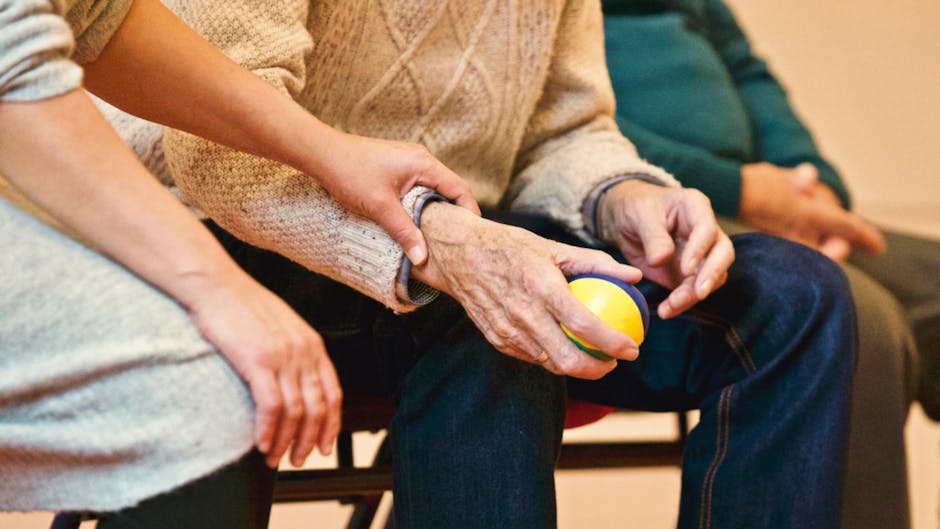
The work of an elderly caregiver is not only based on daily tasks, but also on experiences that leave a mark on both caregivers and elders. Below, we will explore real cases that illustrate the challenges and satisfactions of this noble profession.
Experience of a caregiver in a nursing home
In a nursing home in Mexico City, a caregiver shares her daily experience. Her day begins at seven in the morning, where she is responsible for preparing breakfast for the residents. Throughout the day, she helps with recreational activities and provides emotional support to the elders, who often face loneliness. This caregiver emphasizes the importance of creating affectionate bonds, which not only improves the quality of life for the elders but also allows her to find satisfaction in her work. Human connection is fundamental in the context of working as an elderly caregiver.
Home care: a success story
An inspiring case is that of a caregiver who decided to offer home care services. At first, he faced the difficulty of finding clients, but over time his reputation grew thanks to his dedication and empathy. One client, an elderly woman with reduced mobility, benefited enormously from his help, which allowed her to maintain her independence at home. This success not only translated into an increase in clients but also into a relationship of trust and respect. The caregiver learned that home care can be an effective way to improve elders’ quality of life and, at the same time, build a rewarding career.
Challenges faced by caregivers in their day to day
Despite the rewards, caregivers face several challenges. One of the most common is the lack of time to attend to each elder individually. The workload can be overwhelming, especially in homes where staff is scarce. In addition, dealing with the sadness and loss of residents is emotionally draining. However, many caregivers find support in peer groups or in training programs that teach them how to manage stress and emotions. These challenges are an integral part of working as an elderly caregiver, but they are also opportunities to grow and learn in this meaningful career.
Understanding these real cases highlights the importance and impact of work in elder care, paving the way for deeper reflection on the profession.
Best Practices for Working as an Elderly Caregiver
Establishing a good relationship with older people is fundamental in caregiving. Trust and respect are pillars that facilitate positive interaction. Throughout this section, we will explore how to create those bonds, communicate effectively, and manage the stress that can arise in this profession.
How to establish a good relationship with elders
The key to building a solid relationship with elders lies in empathy and patience. Spending time getting to know their interests and preferences can make a big difference. Active listening and showing genuine interest in their stories fosters an environment of trust. Additionally, it is important to be consistent and predictable in care, as this provides them with security.
Effective communication techniques
Clear and respectful communication is essential when working with older people. Using simple and direct language helps avoid misunderstandings. It is advisable to ask open-ended questions that invite conversation, allowing them to express their thoughts and feelings. Also, the use of friendly gestures and facial expressions contributes to a better connection, creating a space where they feel comfortable communicating.
Stress management and self-care
Elder care can be emotionally demanding, so stress management is crucial. Implementing breathing and meditation techniques can be very helpful in maintaining calm. In addition, setting clear boundaries and asking for support when necessary is essential to avoid burnout. Do not forget to dedicate time to activities that relax you and make you feel good; this is essential to maintain a healthy balance in personal and professional life.
By following these best practices, the experience of working as an elderly caregiver can be significantly improved for both the caregiver and the person in their care. These strategies not only benefit the relationship but also promote an environment of respect and well-being.
Comparing Options: Elderly Caregiver vs. Other Care Roles
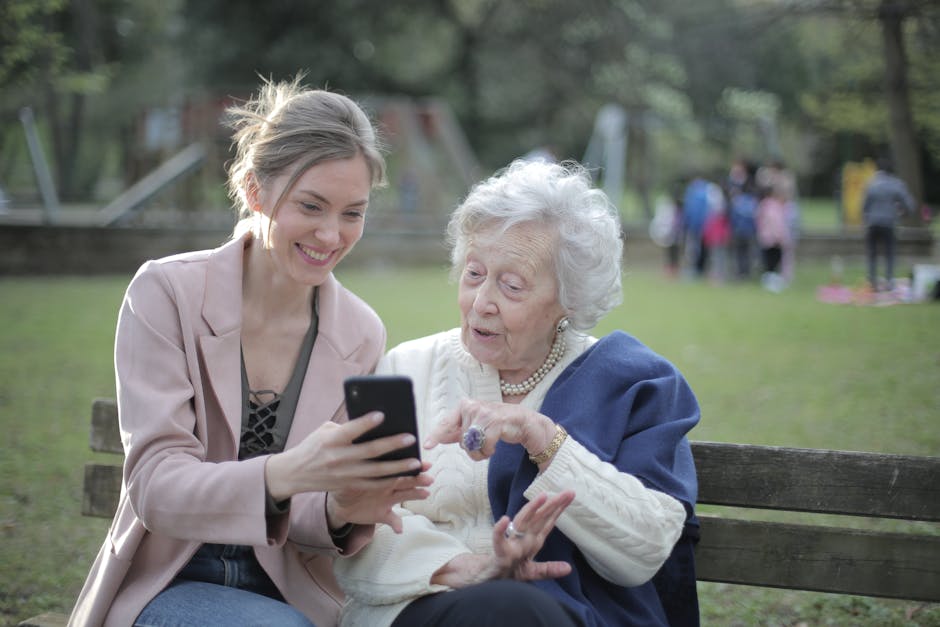
The elder care sector offers diverse job opportunities, each with unique characteristics. It is important to understand the differences between available roles, as well as the advantages of choosing to be an elderly caregiver. Below, we will explore how these roles compare and what options exist in this field.
Differences between caregivers and nurses
Caregivers and nurses perform different functions in elder care. While caregivers focus on providing emotional support, companionship, and assistance with daily activities, nurses are trained to perform medical procedures and administer treatments. This fundamental difference lies in the level of training and the responsibilities each role entails. Additionally, caregivers often work in more informal settings, such as the elder’s home, while nurses are frequently found in hospitals or clinics.
Advantages of being an elderly caregiver
Choosing to work as an elderly caregiver presents several advantages. First, the close relationship established with elders can be enormously rewarding. Caregivers have the opportunity to make a significant difference in their patients’ lives, offering support and companionship during critical moments. In addition, this profession often offers flexible schedules, allowing caregivers to balance personal and work responsibilities. Finally, the demand for caregivers is increasing, which translates into stable and diverse job opportunities.
Other careers in elder care
In addition to caregivers and nurses, there are other careers in the field of elder care. For example, occupational therapists help elders improve their independence through daily activities. Home health aides provide basic care and assistance with personal hygiene. Likewise, gerontologists specialize in the study of aging and can offer advice on proper care. These options allow a wide range of specializations within the sector, adapting to different interests and skills.
In summary, when considering the different options in elder care, it is essential to evaluate the differences between roles and the advantages each offers. Choosing a path in this sector can be decisive for a satisfying and meaningful career.
Future Perspectives in Elder Care Work
The elder care sector is constantly evolving, and the prospects for those who choose this career are very promising. As the population ages, the need for trained and empathetic caregivers becomes more critical. In this section, we will explore the trends shaping this field, including the growing demand, the impact of technology, and opportunities for professional development.
Growing demand for caregivers
The demand for elder caregivers is increasing at a significant rate. It is estimated that in the coming years the need for professionals in this field will exceed the available supply. This phenomenon is mainly due to an aging population and longer life expectancy. As more people require assistance, working as an elder caregiver becomes an attractive and stable career option. Health institutions and care homes are constantly seeking new talent, which provides unique opportunities for those who wish to enter this profession.
Impact of technology on elder care
Technology is transforming how care for the elderly is delivered. From remote monitoring devices to apps that facilitate communication between caregivers and families, innovation is improving service quality. These advances allow caregivers to focus more on the emotional well-being of older adults, while administrative tasks are simplified. Thus, working as an elder caregiver involves not only physical care but also the use of technological tools that optimize patient care and safety.
Professional development opportunities
The field of elder care not only offers secure employment but also broad opportunities for professional development. Caregivers can access continuing education programs and specializations in areas such as geriatrics, palliative care, and rehabilitation. Additionally, there are opportunities for advancement into supervisory or management roles within care institutions. This makes working as an elder caregiver a career with a promising future, where training and experience can translate into significant professional growth.
As we move forward, it is essential to consider how these trends can influence career choice and the quality of care provided to our elders.
Resources and Support for Elder Caregivers
Support for elder caregivers is essential to ensure they can perform their work effectively and with well-being. In this section, we will explore various organizations and resources that offer assistance, ongoing training, and support groups. These tools are fundamental for those who have decided to work as an elder caregiver, as they not only provide information but also a sense of community and emotional backing.
Support organizations and associations
There are several organizations dedicated to helping elder caregivers. These entities offer valuable resources, from legal advice to training programs. For example, the National Caregivers Association provides information about rights and benefits available to caregivers. Additionally, many of these organizations hold workshops and conferences that allow caregivers to learn about relevant topics such as stress management and specialized care techniques.
Continuing training and education
Training is a crucial aspect for those who wish to work as an elder caregiver. Continuing education not only improves practical skills but also increases the caregiver’s confidence. There are online and in-person courses that cover everything from basic care to specialized attention for chronic illnesses. Institutions like Cuidado y Bienestar offer certification programs that are recognized in the industry, which can open job opportunities and improve the quality of care provided.
Support groups for caregivers
Support groups are an invaluable tool for those who care for the elderly. These spaces allow caregivers to share experiences, challenges, and advice in a safe and understanding environment. Participating in a support group can help reduce the feeling of isolation that often accompanies this work. Many of these groups meet regularly, both in person and virtually, facilitating access to consistent support. Connecting with others who understand the reality of working as an elder caregiver can be a great emotional relief.
The combination of these resources is fundamental to caregiver well-being, ensuring they can provide the best possible care to the elders who depend on them. As we continue to explore this topic, it is important to consider future perspectives in elder care work.
Frequently Asked Questions (FAQ)
What skills do I need to work as an elder caregiver?
To work as an elder caregiver, it is essential to have skills such as empathy, patience, and communication ability. It is also important to have basic knowledge of medical care and personal care. Training in first aid and care for common conditions in older adults can be a great plus.
What are the responsibilities of an elder caregiver?
The responsibilities of an elder caregiver include assisting with daily activities such as feeding, personal hygiene, and mobility. Additionally, they must oversee medication administration, provide companionship and emotional support, and ensure a safe and comfortable environment for the elders under their care.
Is certification required to be an elder caregiver?
While it is not always mandatory to have certification to work as an elder caregiver, having one can increase your employment opportunities. There are certification programs that offer specialized training in geriatric care, which can be highly valued by employers in the field of elder care.
Conclusion
Elder care is work that transcends the professional; it is a vocation that requires empathy, patience, and dedication. Throughout this article, we have explored how working as an elder caregiver involves not only attending to physical needs but also emotional and social ones. It is essential to remember that best practices and real-life cases highlight the importance of continuous training and human connection in this field. Every shared experience demonstrates the positive impact a caregiver can have on the lives of elders and their families.
For those interested in this career, the next step is to research training and certification opportunities that support your passion. Learning about the various options available and connecting with professionals in the sector can facilitate a successful transition into this noble profession. Do not underestimate the power of your desire to help; taking the first step can change lives, including your own.
Remember that every small act of care can make a big difference. We invite you to share your thoughts and experiences in the comments, and to reflect on how you could make a difference in the life of someone in need. Are you ready to take on the challenge of working as an elder caregiver?