Are you ready to unlock a world of opportunities? Warehouse jobs are not just about packing and shipping; they represent a vital component of the economy, contributing to the efficiency of supply chains across various industries. In fact, the Bureau of Labor Statistics projects that employment in this sector will grow by 7% over the next decade, highlighting the increasing demand for skilled workers.
However, many individuals overlook these positions, often associating them with physical labor alone. The reality is that warehouse jobs offer a diverse range of roles, from inventory management to logistics coordination, providing a pathway to a rewarding career. Whether you’re seeking a stable job or an entry point into a new industry, these positions can fulfill your aspirations and help you build a sustainable future.
In this article, you will discover the ins and outs of warehouse jobs, including how they operate in practice and real-world examples that illustrate their significance. By the end, you’ll not only understand the opportunities available but also gain insights into how you can position yourself for success in this thriving field. Let’s dive in and explore the exciting possibilities that await you!
Understanding Warehouse Jobs

The landscape of employment opportunities is continuously evolving, and warehouse positions are becoming increasingly significant. These roles are essential for the efficient operation of supply chains and logistics. This section will explore what warehouse jobs entail, the key responsibilities associated with them, and the skills required to thrive in this dynamic environment.
If you’re eager to explore diverse career paths in the logistics sector, you might also find value in uncovering unique job opportunities across various industries. For a broader perspective, check out Jobs: Discover Hidden Opportunities You Never Knew Existed! to expand your job search horizons.
What Are Warehouse Jobs?
Positions within a warehouse typically focus on the storage, handling, and distribution of goods. These roles can vary significantly, ranging from inventory management to order fulfillment and shipping. Employees in these settings play a crucial role in ensuring that products move smoothly from suppliers to customers. As the demand for efficient logistics grows, so does the need for skilled professionals in warehouse jobs.
Key Responsibilities in Warehouse Jobs
A variety of tasks define the daily responsibilities for individuals working in warehouse environments. Common duties include:
- Receiving and inspecting incoming shipments to ensure product quality.
- Organizing and storing goods in designated areas for easy retrieval.
- Picking and packing orders accurately for shipment to customers.
- Maintaining inventory records to track stock levels and reorder supplies as needed.
- Operating equipment like forklifts and pallet jacks to move goods safely.
These responsibilities require attention to detail and a commitment to maintaining a safe and efficient workplace.
Skills Required for Warehouse Roles
Success in warehouse jobs demands a blend of technical and soft skills. Key competencies include:
- Physical stamina: Many positions require lifting heavy items and standing for extended periods.
- Attention to detail: Ensuring accuracy in order fulfillment and inventory management is critical.
- Teamwork: Collaborating with colleagues is essential for maintaining workflow and meeting deadlines.
- Technical proficiency: Familiarity with warehouse management systems and equipment operation is increasingly important.
Developing these skills can enhance job performance and open doors to advancement within the logistics sector.
Transitioning from understanding the nuances of warehouse jobs to exploring the various benefits they offer can illuminate your career path further.
How Warehouse Jobs Work in Practice
Understanding the practical aspects of warehouse work is crucial for those considering a career in this field. The workflow, integration of technology, and adherence to safety protocols are all vital components that shape daily operations. This section will delve into these elements, providing insights into how warehouse jobs function effectively within the industry.
The Warehouse Workflow
A well-structured workflow is essential for maximizing efficiency in any warehouse setting. Typically, the process begins with the receiving of goods, where items are checked for quality and quantity. Once verified, they are stored in designated locations, allowing for easy access during order fulfillment.
Picking and packing is the next significant step. Employees locate items based on customer orders, preparing them for shipment. This stage requires attention to detail to ensure accuracy and minimize errors. Finally, the goods are dispatched, marking the completion of the workflow. Efficient management of this process is vital, as it directly impacts customer satisfaction and operational costs associated with warehouse jobs.
Technology in Warehouse Operations
The role of technology in warehouse operations cannot be overstated. Automation tools such as barcode scanners and robotic systems have revolutionized how warehouses operate. These technologies streamline processes, reduce manual errors, and enhance productivity.
Warehouse Management Systems (WMS) play a crucial role in overseeing inventory and workflow. These software solutions help track stock levels, manage orders, and optimize storage space. By leveraging technology, companies can significantly improve their operational efficiency, making warehouse jobs more effective and less labor-intensive.
Safety Protocols in Warehouse Jobs
Safety is a paramount concern in warehouse environments. Adhering to strict safety protocols is essential to protect workers from potential hazards. Common safety measures include regular training on equipment usage, proper lifting techniques, and the use of personal protective equipment (PPE).
Additionally, warehouses implement routine inspections to identify and mitigate risks. This commitment to safety not only enhances employee well-being but also fosters a culture of responsibility and care. When safety is prioritized, it leads to improved morale and productivity among those engaged in warehouse jobs.
In summary, understanding the workflow, technology integration, and safety protocols is essential for anyone interested in pursuing a career in this industry. These elements collectively contribute to the success and efficiency of warehouse operations.
Real-World Examples of Warehouse Jobs
The dynamic environment of a warehouse offers various roles that are essential for operations. Understanding these positions provides insight into daily tasks and responsibilities that contribute to the overall efficiency of supply chain management. This section will explore specific roles such as the Order Picker, Forklift Operator, and Inventory Specialist, highlighting their unique functions within warehouse jobs.
Order Picker: A Day in the Life
A typical day for an Order Picker involves navigating through the warehouse to fulfill customer orders. This role requires a keen eye for detail, as workers must accurately select items based on order slips. Equipped with handheld devices, they scan products to confirm their selection and ensure the right items are packed for shipment.
Throughout the day, an Order Picker may face challenges such as maintaining speed and accuracy under tight deadlines. They often work alongside other team members, fostering a collaborative environment that enhances productivity. The physical demands of the job include lifting and moving heavy boxes, which requires good physical fitness and stamina.
Forklift Operator: Key Duties and Challenges
The role of a Forklift Operator is critical in managing inventory within a warehouse. Operators are responsible for transporting goods safely and efficiently using forklifts. Their primary duties include loading and unloading shipments, stacking products in designated areas, and ensuring that pathways are clear for safe navigation.
One of the key challenges faced by forklift operators is adhering to safety protocols. They must be vigilant about their surroundings, as the warehouse can be a bustling environment with many moving parts. Additionally, operators need to stay updated on equipment maintenance to avoid breakdowns that could disrupt operations. Effective communication with other warehouse staff is essential to coordinate movements and maintain workflow.
Inventory Specialist: Roles and Responsibilities
An Inventory Specialist plays a pivotal role in managing stock levels and ensuring that the warehouse operates smoothly. Their responsibilities include tracking inventory levels, conducting regular audits, and reconciling discrepancies. Using specialized software, they monitor stock movements and forecast future inventory needs.
This position requires strong analytical skills and attention to detail, as even minor errors can lead to significant issues in supply chain management. Inventory Specialists collaborate closely with other departments to optimize stock levels and reduce waste. Their role is vital in maintaining the balance between supply and demand, ensuring that products are always available when needed.
In summary, the diverse roles within warehouse jobs offer unique challenges and responsibilities that contribute to the efficiency of operations. Each position plays a critical part in the overall success of warehouse management, setting the stage for further exploration of career opportunities in this field.
Best Practices for Succeeding in Warehouse Jobs
Success in a warehouse environment hinges on several key practices that enhance performance and foster a positive workplace culture. This section will explore effective communication techniques, strategies for maximizing efficiency in daily tasks, and the critical importance of teamwork. By implementing these best practices, individuals can excel in their roles and contribute to the overall success of warehouse operations.
Tips for Effective Communication
Clear and concise communication is vital in any workplace, especially in warehousing, where coordination is essential. Workers should feel comfortable voicing concerns, asking questions, and sharing ideas. Utilizing tools such as radios or communication apps can facilitate quick updates and ensure everyone is on the same page. Additionally, active listening plays a significant role; team members should engage with one another to confirm understanding and avoid miscommunication. Regular team meetings can also help reinforce objectives and provide a platform for feedback.
Maximizing Efficiency in Daily Tasks
To enhance productivity in a warehouse, it’s crucial to establish a routine that prioritizes efficiency. Workers should familiarize themselves with layout and inventory management systems to navigate the space effectively. Organizing tasks by priority can significantly reduce time spent on less critical activities. Implementing time management techniques, such as the Pomodoro Technique, can also help maintain focus and energy levels throughout shifts. Regular breaks are essential to avoid burnout, allowing workers to recharge and return to their tasks with renewed vigor.
Importance of Teamwork in Warehousing
Collaboration is at the heart of successful warehouse operations. When team members work together, they can tackle challenges more effectively and achieve common goals. Trust and respect among colleagues enhance the overall morale, leading to a more productive environment. Team-building activities can strengthen relationships and improve communication skills. Emphasizing shared responsibilities fosters a sense of ownership over tasks, which can motivate individuals to perform at their best. Ultimately, a cohesive team can adapt to changing demands and ensure smooth operations in the fast-paced world of warehousing.
Incorporating these best practices not only benefits individual workers but also contributes to the success of warehouse jobs as a whole. Engaging in effective communication, maximizing daily efficiencies, and fostering teamwork creates a robust foundation for a thriving warehouse environment. As we move forward, let’s explore real-world examples that illustrate these principles in action.
Comparing Different Types of Warehouse Jobs
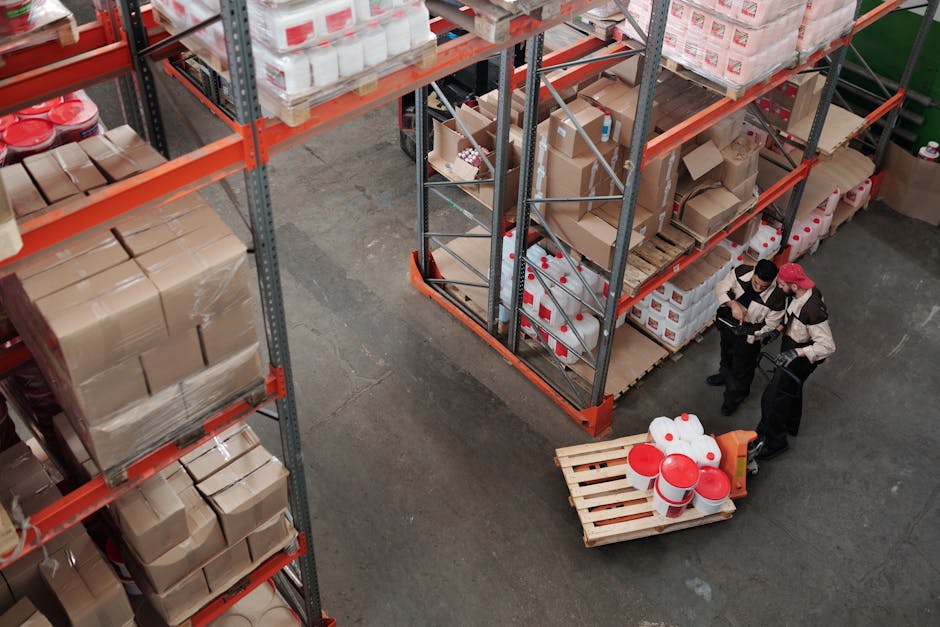
Understanding the different types of positions available in the warehouse sector is crucial for job seekers. Each role offers unique benefits and challenges, influencing your career trajectory. This section will explore the distinctions between full-time and part-time positions, temporary and permanent roles, and the opportunities for advancement within warehouse careers.
Full-Time vs. Part-Time Warehouse Positions
The choice between full-time and part-time warehouse positions often depends on personal circumstances and career goals. Full-time roles typically offer a stable income, benefits such as health insurance, and paid time off. These positions can provide a sense of job security and a deeper commitment to the company. On the other hand, part-time roles may cater to individuals seeking flexibility, such as students or those with other commitments. While part-time positions may not always include benefits, they can serve as a stepping stone to full-time employment in the warehouse jobs sector.
Temporary Roles vs. Permanent Positions
When considering warehouse jobs, it’s essential to distinguish between temporary and permanent positions. Temporary roles are often suited for those looking to enter the workforce quickly or gain experience in a bustling environment. These positions can lead to permanent opportunities, allowing individuals to showcase their skills. Conversely, permanent positions tend to offer more stability, better pay, and a clear career path. For many, securing a permanent role in a warehouse can be a rewarding long-term career choice that provides both financial and personal satisfaction.
Opportunities for Advancement in Warehouse Careers
Career advancement in the warehouse industry is not only possible but often encouraged. Many companies prioritize promoting from within, offering training and development programs to help employees enhance their skills. Entry-level positions can lead to roles such as team leaders, supervisors, or even management positions over time. This growth potential is one of the appealing aspects of pursuing a career in warehouse jobs. With dedication and a commitment to learning, individuals can significantly enhance their career prospects in this dynamic field.
As you navigate the various types of roles available, understanding these distinctions can help you make informed decisions about your career path. Next, we will delve into best practices for succeeding in warehouse jobs.
Navigating the Warehouse Job Market
The landscape of the warehouse job market can be both exciting and challenging for job seekers. Understanding where to find openings, how to craft an effective resume, and mastering interview techniques can significantly enhance your chances of landing a position. This section will provide insights and practical advice to help you navigate this dynamic field effectively.
Where to Find Warehouse Job Openings
Identifying the right sources for job openings is crucial in your search for warehouse positions. Job boards such as Indeed, Monster, and Glassdoor often list a variety of opportunities in different sectors. Additionally, local staffing agencies can be invaluable, as they frequently have partnerships with companies looking for immediate hires. Networking can also play a key role; attending industry events or joining online forums can lead to hidden job leads. Don’t forget to check company websites directly, as many organizations post vacancies there first.
Preparing Your Resume for Warehouse Positions
A well-structured resume can set you apart in the competitive arena of warehouse jobs. Start by tailoring your resume to highlight relevant skills and experiences. Focus on keywords related to the position, such as inventory management, forklift operation, or logistics coordination. Use bullet points for easy readability and emphasize accomplishments rather than just duties. Including any certifications, like OSHA training, can also boost your attractiveness to potential employers. Remember, clarity and conciseness are key; keep your resume to one page if possible.
Interview Tips for Warehouse Jobs
Approaching interviews with confidence is essential for securing warehouse roles. Begin by researching the company and understanding its operations and culture. Practice common interview questions, focusing on scenarios that demonstrate your problem-solving and teamwork skills. During the interview, be prepared to discuss your experience with safety protocols and any relevant equipment. Dress appropriately, even if the workplace is casual; first impressions matter. Finally, don’t hesitate to ask your own questions to show your interest in the position and the company.
Navigating the warehouse job market requires a strategic approach. By knowing where to look for openings, crafting a compelling resume, and preparing thoroughly for interviews, you can position yourself for success in this vibrant field.
The Future of Warehouse Jobs
The evolution of warehouse employment is being shaped by various factors, including technology, market demands, and workforce skills. As the industry adapts, understanding these changes is essential for anyone interested in pursuing a career in this field. This section will explore the impact of automation, emerging trends, and the skills necessary for success in future warehouse roles.
Impact of Automation on Warehouse Employment
Automation is revolutionizing the warehouse sector, leading to significant changes in job roles. The introduction of robotics and artificial intelligence is streamlining operations, enhancing efficiency, and reducing costs. While some warehouse jobs may be displaced, new opportunities are emerging that require a more skilled workforce. Employees will need to adapt to working alongside machines, focusing on tasks that machines cannot perform, such as problem-solving and maintenance.
Emerging Trends in Warehouse Careers
The landscape of warehouse careers is rapidly changing, influenced by e-commerce growth and consumer expectations. Companies are increasingly seeking flexible workforce solutions, leading to a rise in temporary and part-time positions. Additionally, the demand for specialized roles, such as data analysts and logistics coordinators, is on the rise. These positions require a blend of technical knowledge and industry insight, making them essential for the future of warehouse jobs.
Skills for the Future Warehouse Workforce
To thrive in the evolving warehouse environment, workers must cultivate a diverse skill set. Proficiency in technology, such as warehouse management systems and data analytics, is becoming crucial. Moreover, soft skills like communication, teamwork, and adaptability are equally important, as they enhance collaboration in a tech-driven workspace. Continuous learning and upskilling will be vital for those aiming to secure their place in the future of warehouse employment.
As we look ahead, it’s clear that the warehouse job market will continue to transform. Staying informed about these trends and honing the necessary skills will be essential for those eager to seize new opportunities.
Frequently Asked Questions (FAQ)
What types of warehouse jobs are available?
Warehouse jobs encompass a variety of roles including inventory management, shipping and receiving, order picking, and forklift operation. Depending on the company, you may also find positions in quality control, packing, and logistics coordination. Each role may require different skills and experience, making it important to explore various warehouse job opportunities.
Do I need special skills or qualifications for warehouse jobs?
While some warehouse jobs may require specific skills, such as operating forklifts or managing inventory systems, many entry-level positions only require a high school diploma. Employers often provide on-the-job training for new hires. Having strong physical stamina and attention to detail can also be beneficial when applying for warehouse jobs.
How can I find warehouse jobs near me?
To find warehouse jobs near you, start by checking online job boards, company websites, and local classifieds. Networking with people in the industry can also uncover opportunities. Additionally, consider reaching out to staffing agencies that specialize in warehouse employment, as they often have access to a wide range of job listings.
Conclusion
In reflecting on the vast opportunities within the warehouse sector, it’s clear that these roles play a crucial part in the backbone of our economy. Understanding how warehouse jobs function and the variety of positions available empowers you to make informed career choices. Emphasizing best practices and real-world examples not only provides insight but also highlights the potential for growth and success in this field.
As you consider your next steps, take the time to explore available positions that align with your skills and interests. Engaging with online resources and networking with industry professionals can set you on a path toward a rewarding career. Embrace the chance to enhance your skills and seize opportunities that come your way.
Ultimately, pursuing a career in this dynamic environment can be incredibly fulfilling. Take a moment to reflect on what you’ve learned, and don’t hesitate to share your thoughts or experiences in the comments. How will you take the next step toward unlocking your potential in this exciting field?