The care of older adults is an issue that affects many families in Mexico. Did you know that more than 20% of the country’s population is 60 years or older? This figure not only reflects demographic growth, but also the growing need for specialized support. “Work for Caregivers of Older Adults” presents itself as a vital solution, both for those seeking employment in this sector and for those who require assistance.
Index
- Understanding Work for Caregivers of Older Adults
- Work for Caregivers of Older Adults: How It Works in Practice
- Real Cases of Work for Caregivers of Older Adults
- Best Practices for Work for Caregivers of Older Adults
- Comparison of Job Opportunities for Caregivers of Older Adults
- Resources and Support Networks for Caregivers of Older Adults
- Future Trends in Work for Caregivers of Older Adults
- Frequently Asked Questions (FAQ)
- Conclusion
In a world where population aging is progressing rapidly, the demand for trained caregivers becomes critical. However, many do not know where to start or what the real opportunities in this field are. This article is designed to offer you a clear and accessible view of how work in this area actually functions, the challenges caregivers face, and the rewards they can obtain.
If you are interested in work for caregivers of older adults, you might also consider other opportunities in the services sector. Another interesting option is to explore “Work in Home Delivery: Is It the Ideal Opportunity?“, which could offer you a different and flexible approach in the labor market.
Throughout this reading, you will discover not only the various job opportunities available, but also real stories that illustrate the positive impact caregivers can have on the lives of older adults. Get ready to learn about the world of elder care and how you can be part of it. Keep reading and discover how to make a difference!
Understanding Work for Caregivers of Older Adults

The role of caregivers is fundamental in the lives of older adults, as they provide emotional and physical support. This article will address the importance of their functions, the demographic characteristics of the elderly population, and the challenges they face in their day-to-day lives. As we explore these topics, the relevance of work in this field will become clear.
Importance of the caregiver’s role
Caregivers play a vital role in improving the quality of life for older adults. Their support not only covers physical assistance, such as help with daily activities, but also emotional companionship. This connection is essential, as many seniors face loneliness and isolation. In addition, a caregiver’s work can allow families to keep their loved ones at home, which is generally preferred by most older adults.
Demographics and needs of older adults
The population of older adults is growing at an accelerated rate. According to recent data, it is estimated that in Mexico, more than 12% of the population is 60 years or older. This increase brings with it a series of specific needs, such as medical care, mobility, and assistance with daily living. Understanding these needs is crucial for those seeking work opportunities in the care area. Each individual has different requirements, which makes personalization of care essential for effective attention.
Common challenges in elder care
Care of older adults presents various challenges that caregivers must face daily. Among them, managing chronic illnesses and adapting to changes in physical and mental health are the most common. Additionally, caregivers often experience emotional stress, which can affect their well-being. To succeed in the work of caring for older adults, it is essential to have a support network and resources that help mitigate these challenges.
As one delves deeper into the world of elder care, it becomes evident that this work requires both technical skills and great empathy.
Work for Caregivers of Older Adults: How It Works in Practice
The work of caring for older adults is more than an occupation; it is a vocation that requires specific skills and great empathy. Throughout this section, we will explore the requirements and necessary certifications, the types of employment available, and the work modalities that can be offered in this field. All of this aims to provide a clear and comprehensive view of how work for caregivers of older adults functions in practice.
Requirements and necessary certifications
To work as a caregiver of older adults, it is essential to meet certain requirements. In many cases, a high school diploma is required and, although not always mandatory, having a certification in elder care can be a great plus. There are training programs that offer courses on geriatric care, first aid, and medication management, which are highly recommended. In addition, skills such as effective communication and patience are essential to interact with this population appropriately.
Types of employment available
Caregivers of older adults can find various job opportunities in the market. Some of the most common types of employment include home care, where the professional assists a single patient in their home, and work in nursing homes, where care is provided to multiple people. There are also roles for specialized caregivers who focus on particular conditions such as dementia or Alzheimer’s. This variety allows those interested to choose the environment that best suits their skills and preferences.
Work modalities: full time, part time and freelance
Work modalities in the field of caring for older adults are quite flexible. You can find full-time options, ideal for those seeking job stability, as well as part-time options that allow balancing other responsibilities. Additionally, freelance work has gained popularity, offering caregivers the freedom to set their own schedules and choose their clients. This diversity in work modalities makes it easier for each professional to find the perfect fit for their lifestyle and financial needs.
Knowing all these aspects is crucial for those considering entering the field of work for caregivers of older adults. The next section will address how to find job opportunities in this sector.
Real Cases of Work for Caregivers of Older Adults
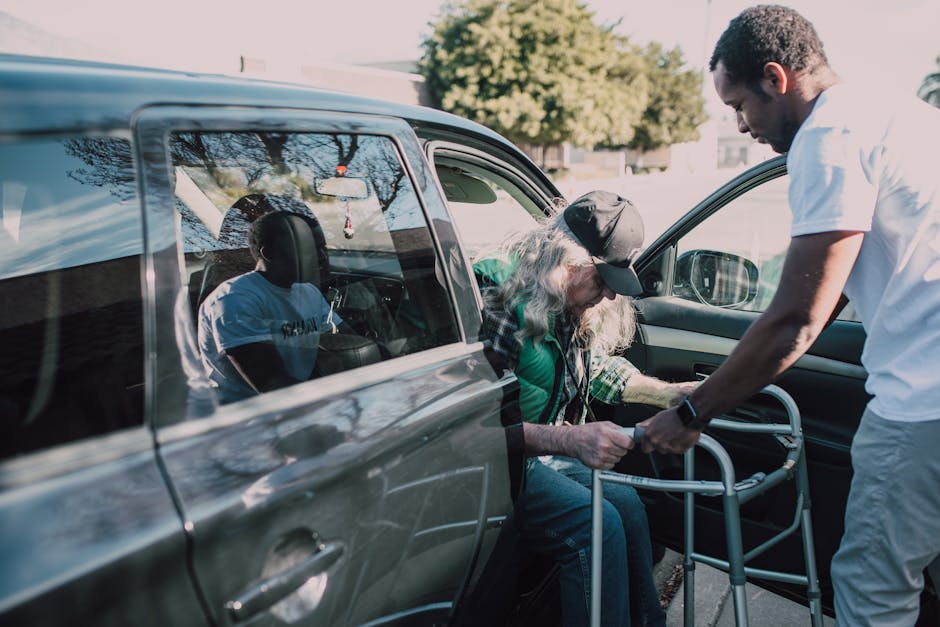
The work of caring for older adults manifests in various ways, adapting to the specific needs of each individual. In this section, we will explore real experiences that illustrate the work for caregivers of older adults, from home care to work in geriatric centers and the feasibility of remote care. These examples provide a clear view of the different facets of this important profession.
Experience of a home caregiver
Caring for an older adult in their own home can be a rewarding and challenging experience. A caregiver, for example, recounts how they helped an 80-year-old woman maintain her independence. Tasks included everything from meal preparation to mobility assistance. This caregiver emphasizes the importance of establishing a relationship of trust, which facilitates communication and the patient’s well-being. They also highlight how small details, such as remembering her likes and preferences, can significantly improve the older adult’s quality of life.
Work in geriatric centers
Geriatric centers offer a different environment for caring for older adults. A professional working in one of these centers shares their experience, where teamwork is crucial. In this setting, caregivers collaborate with doctors and nurses to create a comprehensive care plan. This multidisciplinary approach allows addressing not only residents’ physical needs but also their emotional needs. Social interaction in these centers also plays a vital role, helping to prevent isolation and fostering a sense of community among older adults.
Remote care: Is it possible?
With technological advances, remote care has become increasingly viable. A caregiver who provides remote support explains how they use apps and devices to monitor older adults’ health. This includes medication reminders and video calls to check on their emotional well-being. Although it does not replace in-person care, remote care can be a valuable complement, especially for families who live far away. This modality highlights the importance of technology in the work for caregivers of older adults, allowing constant and personalized monitoring.
Each of these cases demonstrates the multiple dimensions of caring for older adults and how caregivers adapt to their patients’ changing needs. The importance of this work is evident, and as we move forward, we will explore more about the skills needed to excel in this profession.
Best Work Practices for Caregivers of Older Adults
Caring for older adults involves not only physical care but also a holistic approach that encompasses communication, stress management, and creating a safe environment. These practices are essential to ensure caregivers can provide the best possible support while also taking care of their own well-being. Below, we will explore some of the best practices that can help in this noble work.
Effective communication with older adults
Establishing effective communication is fundamental in the work for caregivers of older adults. Active listening and showing empathy are key skills. Using clear and simple language facilitates understanding. It is also important to consider the older person’s speaking pace, allowing them to express themselves without hurry. Incorporating nonverbal elements, such as smiles and gestures, can also improve the connection.
Another relevant aspect is adapting to the older adult’s cognitive abilities. Sometimes it is useful to repeat information or rephrase questions. Fostering an environment of trust where the older adult feels comfortable sharing their thoughts and feelings is essential for effective care.
Stress management and caregiver self-care
The work of caring for older adults can be emotionally demanding. Therefore, stress management and self-care are vital. It is advisable for caregivers to establish daily routines that include moments of rest and activities they enjoy. Practicing relaxation techniques, such as meditation or exercise, can help reduce anxiety and burnout.
Additionally, seeking support in caregiver networks or discussion groups can be an effective way to share experiences and receive guidance. Recognizing the importance of caring for themselves enables caregivers to provide a more efficient and compassionate service.
Creating a safe and comfortable environment
A safe and comfortable environment is crucial for the older adult’s well-being. This involves making adjustments in the home, such as removing obstacles and ensuring spaces are well lit. Organizing everyday items also helps prevent accidents and facilitates mobility.
Personalizing the space, incorporating elements that reflect the older adult’s tastes and history, can increase their emotional comfort. Also, maintaining an appropriate temperature and a clean environment are aspects that should not be underestimated. A well-kept home translates into a better quality of life for those receiving care.
By implementing these practices, caregivers not only improve their performance in the work for caregivers of older adults but also foster a positive and enriching environment for both themselves and the older adults in their care.
Comparison of Job Opportunities for Caregivers of Older Adults

The job market for caregivers of older adults is diverse and presents different options that adapt to both professionals’ and patients’ needs. In this section, we will explore the differences between home care and institutional care, as well as the advantages and disadvantages of working as a freelancer, and salary outlooks in different contexts.
Home care vs. institutional care
Home care allows older adults to remain in a familiar environment, which can improve their emotional well-being. Caregivers in this context often form a closer relationship with the patient, resulting in more personalized care. On the other hand, institutional care, which takes place in residences or nursing homes, offers more accessible medical and emergency resources, which is crucial for patients with serious conditions. However, this option can create a sense of uprooting in older adults.
Both modalities have their advantages and disadvantages. Those interested in the work for caregivers of older adults should consider which environment best suits their skills and personal preferences, as well as the patients’ needs.
Advantages and disadvantages of working as a freelancer
Working as a freelancer in the care of older adults allows great schedule flexibility and the possibility of choosing clients. This modality can be especially attractive for those seeking a work-life balance. However, being a freelancer also entails income uncertainty and the responsibility of managing all aspects of the business, from service promotion to account administration.
Furthermore, effective communication skills are essential to build solid relationships with clients and their families. This independence can be rewarding, but it also demands a high level of self-management and organization.
Salary outlooks in different contexts
Salary outlooks for caregivers of older adults vary considerably depending on the context in which they work. In home care, income may depend on the duration and frequency of visits, as well as the complexity of the required care. In institutions, salaries tend to be more stable, although they may be lower compared to high freelance rates.
According to recent data, caregivers in institutions can earn between $8,000 and $12,000 pesos per month, while freelancers can exceed $15,000 pesos per month, depending on their workload and reputation. These figures highlight the importance of evaluating available options when considering a career in the work for caregivers of older adults.
In the end, choosing the right path will depend on individual circumstances and each caregiver’s professional goals. The following section will address best practices for performing effectively in this vital role.
Resources and Support Networks for Caregivers of Older Adults
Adequate support is essential for those dedicated to caring for older adults. There are various organizations, trainings, and groups that can facilitate this work. Below, we will explore some of the most relevant resources and support networks for caregivers, providing tools that can improve both their professional performance and personal well-being.
Support organizations and associations
Several organizations and associations are dedicated to offering resources and assistance to caregivers. For example, the National Caregivers Association (ANC) provides training programs, legal and emotional counseling. In addition, there are local groups that offer workshops and events where caregivers can share experiences and receive guidance. These networks are essential to foster a sense of community and belonging in this field.
Training and courses available
Ongoing training is key to development in the field of caring for older adults. There are numerous online and in-person courses that address topics such as geriatric care, chronic disease management, and stress management. Platforms like Coursera and Udemy offer specific programs that can be very useful. Participating in these courses not only improves practical skills but can also open new work opportunities for caregivers of older adults.
Online and in-person support groups
Support groups, both online and in-person, are an excellent way to find emotional support and share effective strategies. Platforms like Facebook and specialized forums allow caregivers to connect and discuss their challenges. Likewise, many communities offer regular meetings where caregivers can interact and support each other. These spaces are vital for mental and emotional well-being, helping to prevent burnout and strengthening the support network among professionals.
When considering work for elderly caregivers, it is crucial to take advantage of these resources and support networks. Collaboration and continuous learning are elements that not only benefit caregivers but also the elderly who receive their care. As we move forward, we will explore the job opportunities and benefits offered in this sector.
Future Trends in Work for Elderly Caregivers
The future of elderly care is constantly evolving, driven by technological advances and shifts in social perception. As the population ages, it is essential to adapt to new realities in work for elderly caregivers. This section will address the main trends that are shaping this vital profession.
Technology in elderly care
The integration of technology into elderly care is revolutionizing the way care is provided. Devices such as health monitors, mobile applications, and telemedicine systems enable more effective monitoring and early intervention in case of emergency. For example, wearables can monitor vital signs and alert caregivers to any abnormalities. This not only improves the quality of life for older adults, but also facilitates the work for elderly caregivers by providing tools that optimize care.
Innovative approaches in geriatric care
Innovative approaches in geriatric care are redefining the role of caregivers. Methods such as person-centered care and occupational therapy are being implemented to offer more personalized care. These approaches value the individual preferences and needs of each older adult, promoting their emotional and physical well-being. In addition, ongoing training and workshops in new techniques become essential for those seeking to stand out in work for elderly caregivers.
Shift in social perception of care
The social perception of elderly care is gradually changing, which positively impacts the profession. Increasingly, society recognizes the importance of caregivers and their contribution to the well-being of the elderly. Awareness campaigns and family testimonials are helping to destigmatize this work, highlighting the importance of care as a dignified and valuable profession. This change in mindset not only attracts more people to work for elderly caregivers, but also fosters a more respectful and supportive environment.
With these trends in mind, it is evident that the future of elderly care is full of opportunities. The next section will explore resources and support networks that can benefit caregivers in their professional journey.
Frequently Asked Questions (FAQ)
What job opportunities are there for elderly caregivers?
There are various employment opportunities for elderly caregivers, including positions in private homes, nursing homes, and care agencies. Caregivers can work full-time or part-time, depending on the needs of the patients and their families.
What requirements do I need to work as an elderly caregiver?
To work as an elderly caregiver, it is usually required to have a certification in geriatric care and, in some cases, prior experience. It is also important to have communication skills and empathy, as well as the ability to perform basic care and assistance tasks.
How can I find a job as an elderly caregiver?
To find a job as an elderly caregiver, you can search on online job platforms, contact care agencies, or even offer your services in your community. Additionally, it is advisable to create a resume that highlights your experience and training in caring for older adults.
Conclusion
Caring for older adults is a task that transcends mere employment; it is a commitment that requires empathy, skills, and dedication. Throughout the article, the various facets of work for elderly caregivers have been explored, from its practical functioning to the best practices that ensure quality service. We have also shared real cases that illustrate the positive impact these professionals can have on the lives of the people they assist. This information not only enriches your understanding but also better positions you to make informed decisions in this field.
Now that you have a clear view of the available job opportunities, I encourage you to further explore how you can get involved in this noble profession. Consider exploring training courses, connecting with local organizations, or even volunteering in your community to gain experience. Every step you take will bring you closer to becoming a more skilled and compassionate caregiver.
Remember that every life you touch as a caregiver can be transformative. If what you have read has inspired you, share this article with others who may be interested in work for elderly caregivers. What steps are you willing to take to make a difference in someone’s life?